In the weeks leading up to America’s 250th Anniversary, politicians on the right and left, glory hounds, and attention seekers have all had their say. They’ve bathed themselves in the U.S. flag. Heck, the big apparel companies have gotten into the game too. They’ve plastered the stars and stripes on everything imaginable — shirts with U.S.-this and U.S.-that — and chuckled all the way to the bank, selling cheap patriotism at a premium.
As we come up on July 4, the temperatures here in Southeastern Pennsylvania have been spiking of late. We’re sweltering right now. The average temperatures when the Second Continental Congress formally adopted the Declaration of Independence in Philadelphia in 1776 were a more relaxing 75° Fahrenheit.
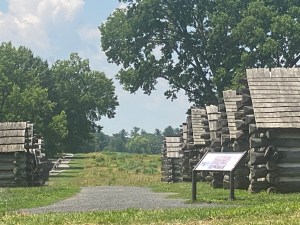
Valley Forge National Historical Park – June 29, 2026
A Drifting Mind
My mind, though clearly on the 250th, has been drifting to a colder, darker place. In fact, I’ve been envisioning a cold nor’easter blowing in, bringing with it crippling snowfall, blizzard conditions, and gale-force winds.
Oh, I think of Thomas Jefferson and the gang signing off on the Declaration of Independence. I think of how their signatures meant they were “marked men” running for their lives. But mainly, I think 16 months and 23 days into the future, shifting my gaze to the Valley Forge encampment.
Yes, I find myself thinking of December 27, 1777. With his men suffering all around him, General George Washington sent a desperate letter to Virginia Governor Patrick Henry, pleading for clothing and supplies for his freezing troops.
Valley Forge Encampment – June 29, 2026
The View From The Right Lane
Stay with me here. Fast forward to current times. For close to 20 years, I regularly flew by the exit to Valley Forge National Historical Park on my way to work. As you approach, off to the left, you see a couple small office buildings, a hotel and casino, and a promotional sign for Top Golf, the driving range and entertainment center. But if you look to the right, trees and rolling hills block your view. On occasion, I would stop on my way home and drive through the 3,500-acre park full of meadows, woodlands, and monuments.
From December 19, 1777, to June 19, 1778, over 12,000 soldiers took refuge there, giving them protection from a possible attack by the British in Philadelphia and time to mature and emerge in the spring as a highly disciplined professional fighting force.They built 1,500 log huts, creating what was essentially the fourth-largest city in the colonies at the time. While the natural elements protected them, it was a challenging time and they suffered a horrific existence.
While other Revolutionary War encampments (such as the bitter winter at Morristown, New Jersey) were significantly colder, the suffering at Valley Forge was heavily exacerbated by severe shortages of food, blankets, and footwear. The soldiers had to truly believe in what they were fighting for. They had to believe in the declaration.
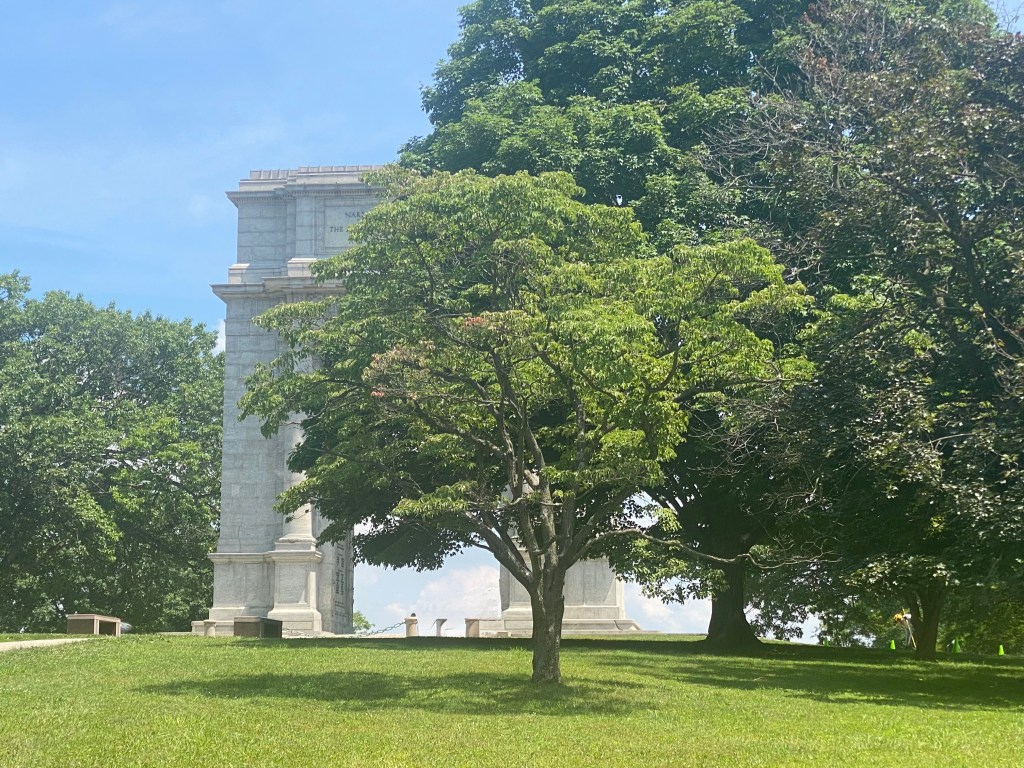
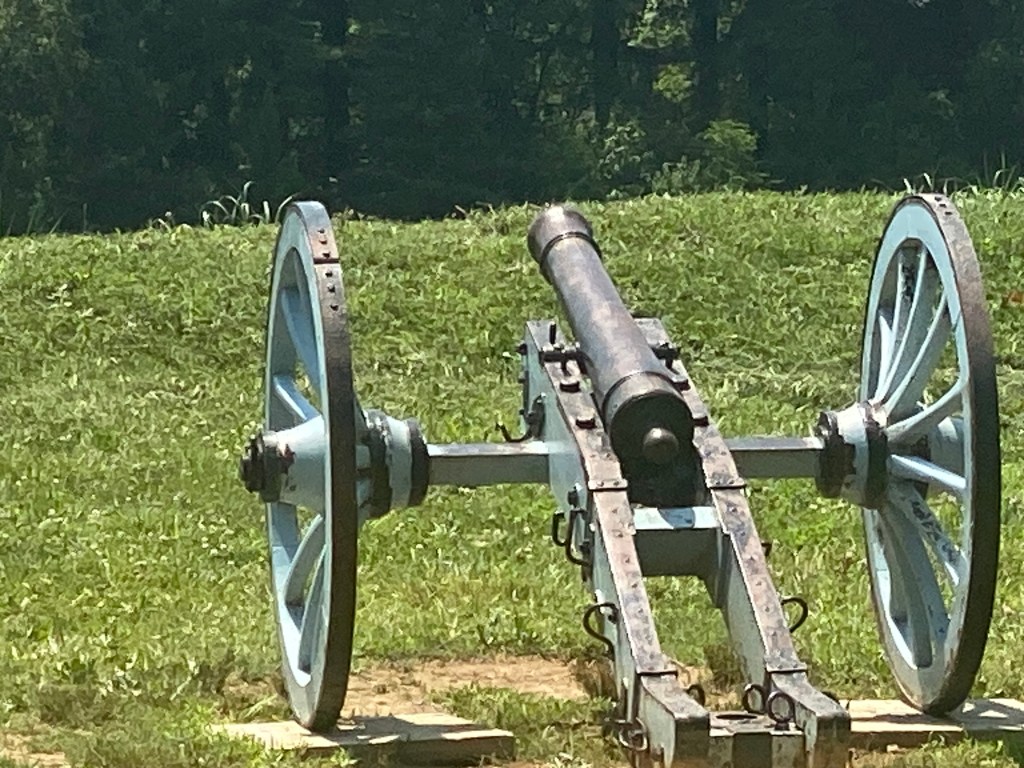
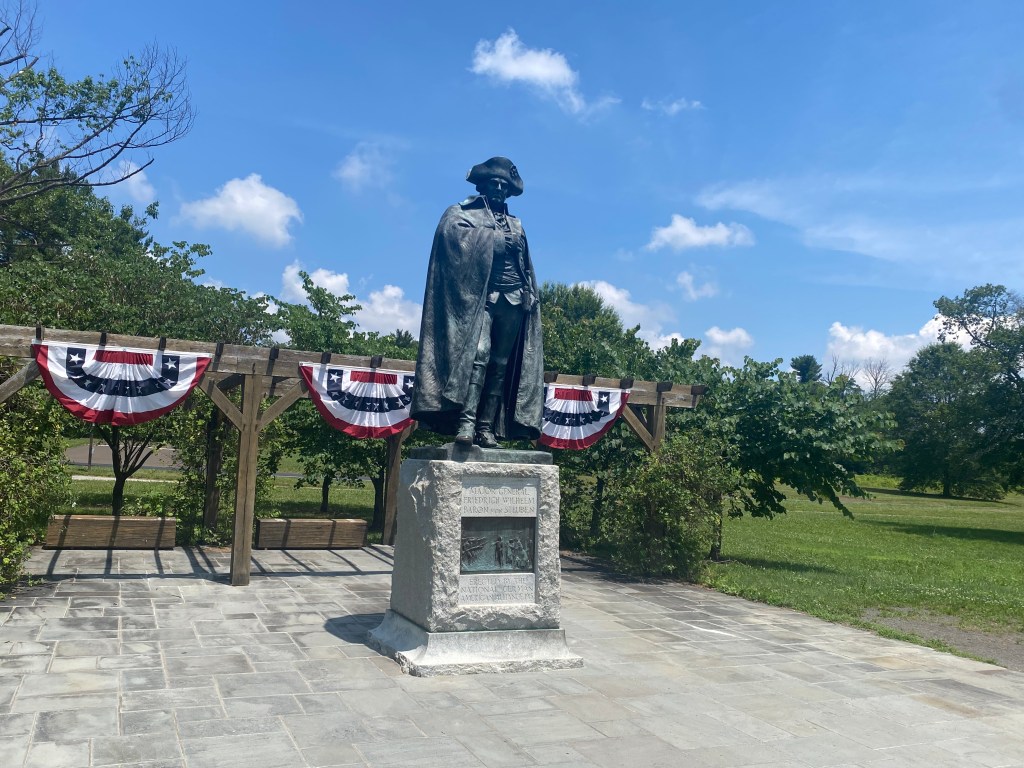
Valley Forge National Historical Park – June 29, 2026
Highs, Lows, and Everything In Between
When I look back, my mind tracks the long, uneven spine of the American story:
- The Sacrifices of War: I think of the beaches of Normandy, men fighting for every inch of ground. Men dying. Men struggling just to get through the next minute. I think of the horrific, bloody fields of Gettysburg — just two hours west of my daily commute — where brother fought brother to decide if this country would break apart or endure.
- The Long March Toward Justice: I think of slavery finally coming to an end, and then years later in 1960, Ruby Bridges — all of six years old — walking into a white school building full of grace and dignity, becoming the first Black child to integrate a white elementary school in the South. I think of Martin Luther King, John Lewis, and thousands of activists marching across the Edmund Pettus Bridge in Selma in 1965 to demand federal protection for Black voting rights. I think, too, of the everyday citizens whose names history didn’t catch, who nevertheless stood up, sat in, and spoke out to edge us closer to our founding ideals.
- The Fight for the Ballot: I think of the suffragettes who spent decades getting beaten and jailed just to win the right to vote.
- The Triumphs and Tragedies: I think of putting a man on the moon, a collective roar of achievement beamed into living rooms across the globe. Yet, I also think of the collective heart of the country breaking on a cold January morning in 1986 when the Challenger vanished into smoke, and again when the towers fell on a crisp Tuesday morning in September.
- The Modern Frontier: I think of the launch of the personal computer and the revolution of cellphone communications and app-based computing, reshaping our world and offering us greater freedoms and connectivity.
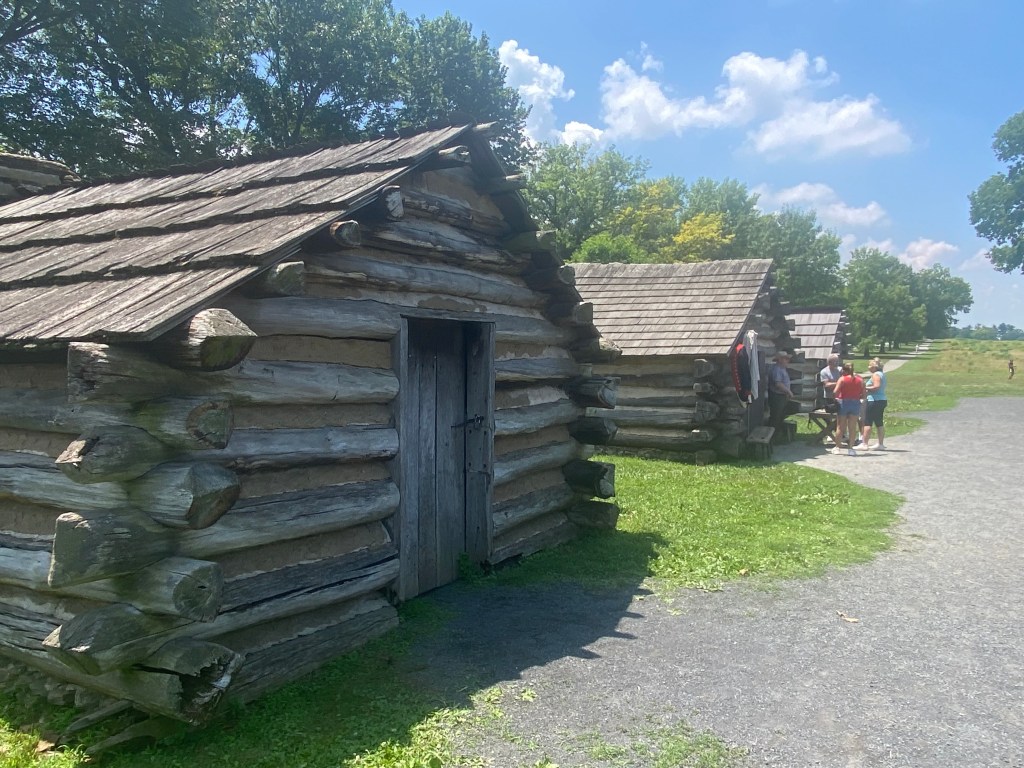
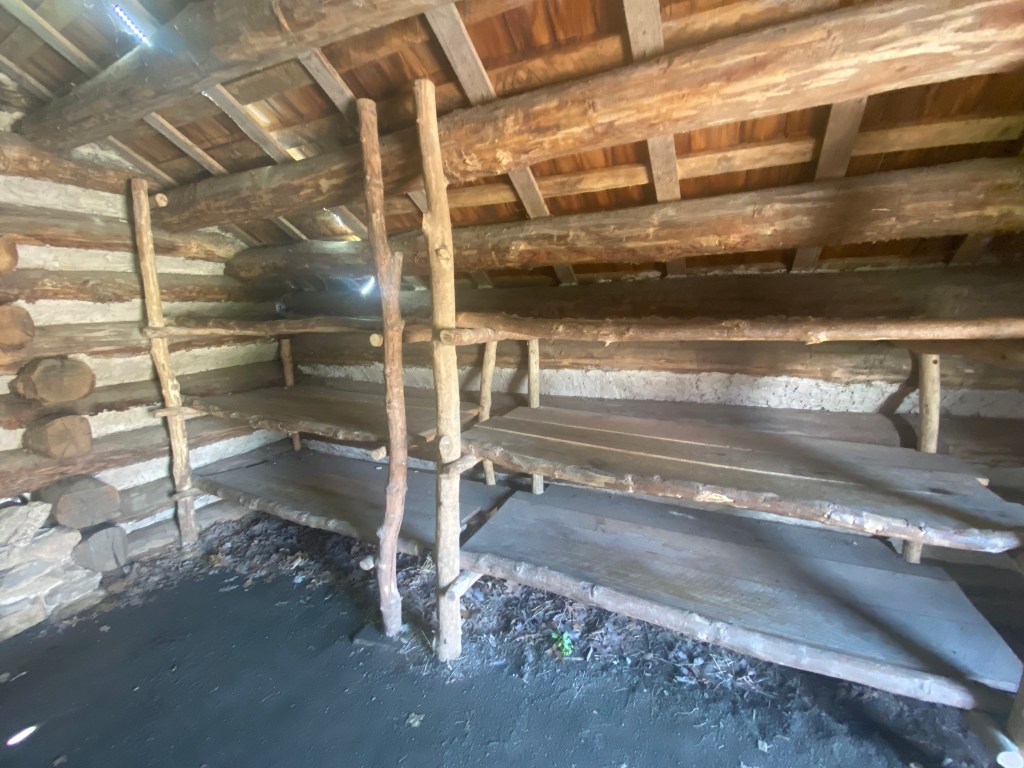
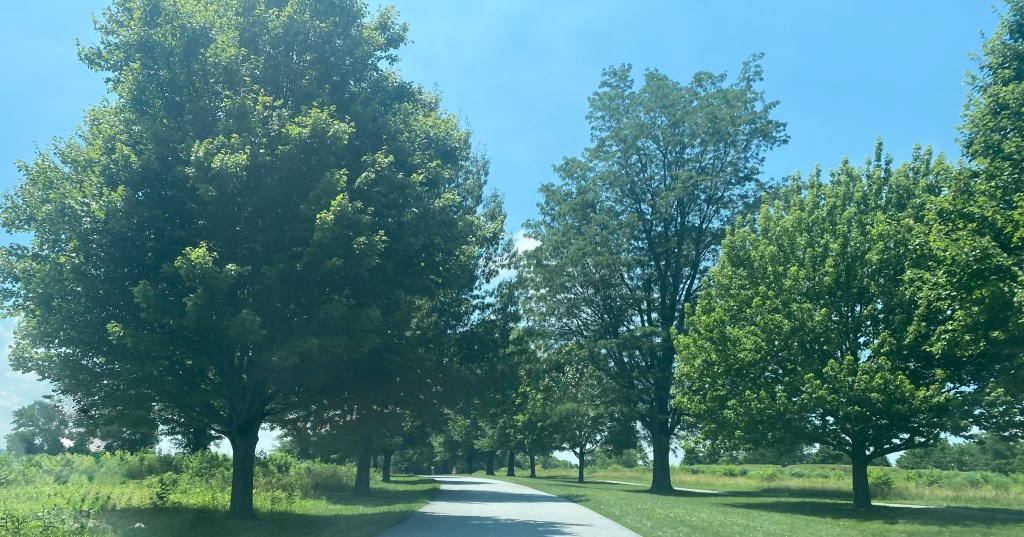
Valley Forge National Historical Park – June 29, 2026
Living Up To The Declaration
I love that there have been great moments and not-so-great moments in our history. I love that the United States is very much an experiment in the making—a little of this, a little of that. I love that even though we’ve fallen, we keep getting back up on the bike and trying to do better.
So yes, I’ll be putting out my flag this weekend. I’ll be celebrating the 250th and marveling at how easy it is to buy a cheap t-shirt, and how incredibly hard it is to actually live up to the document those shirts celebrate. This weekend isn’t about the flags plastered on grocery store displays; it’s about remembering the sheer, stubborn endurance required to keep a fragile idea alive.
How are you marking the 250th this year? If you live outside the U.S., what does independence mean to you?
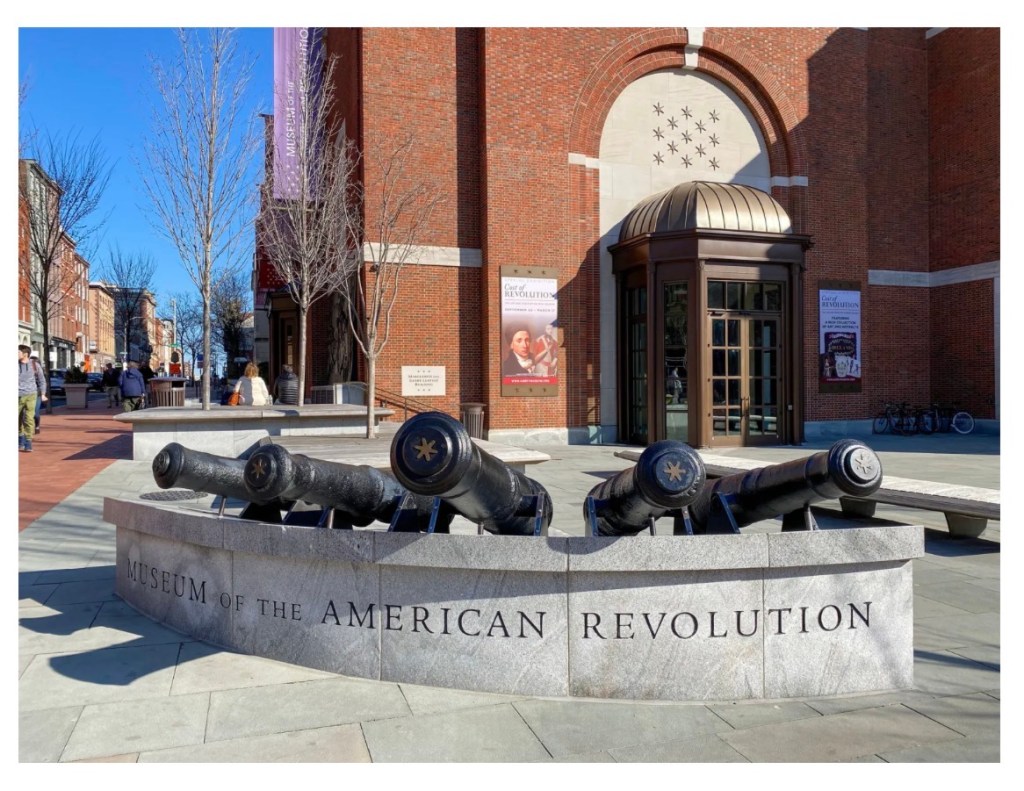
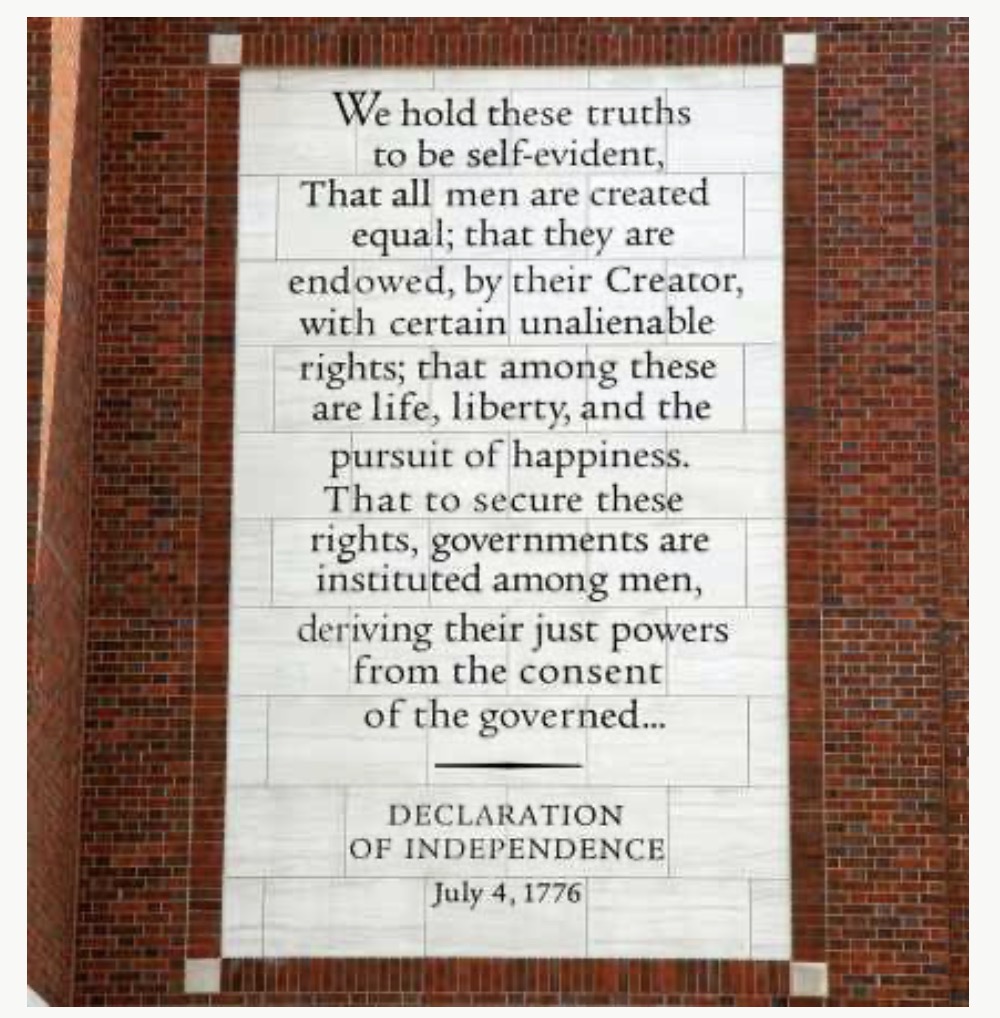
The Museum of the American Revolution in Philadelphia
- National Archives Declaration of Independence Transcription
- The Annotated Declaration of Independence – The National Constitution Center
- The Full Text of the U.S. Constitution – The National Constitution Center
Discover more from Writing from the Heart with Brian
Subscribe to get the latest posts sent to your email.


this was such a beautiful post, full of our country’s history and your personal connection to it – i’ll be marching in our town’s parade and handing out candy to the kids along the way.
LikeLiked by 2 people
Oh that’s awesome Beth! Marching in the parade … now that’s a great way to celebrate the fourth! Better than what they have planned on the National Mall. 🤭🤭🤭 Making some kid’s day!!!😎😎😎😎
LikeLiked by 1 person
i think most everything is better!)
LikeLiked by 1 person
Thank you for your patriotism. It is truly expressed in your words. The course our country has forged over the past 250 years is filled with ups and downs and massive change, but underneath all that, we are a people full of love for her and what she stands for. God bless America.
LikeLiked by 1 person
Beautiful Kathy! Underneath it all — good people!
LikeLiked by 1 person
Great post and it reminds me, I haven’t been to Valley Forge since I was 12 and really want to get there again!
LikeLiked by 1 person
Yea, lots to see in VF. I would definitely team it up with a trip into Philly to see Independence Hall and the Liberty Bell. The museum of thr American Revolution, Franklin Institute and the Constitution Center are pretty cool too. A fun weekend. I took the pics that I used in my post this week — thought the Park would be crowded. It was busy but it’s so big I was able to get around fine. Love the park.
LikeLiked by 1 person
Good idea! I was in Philadelphia overnight years ago! We did spend the afternoon sightseeing but I’d like to go again.
LikeLiked by 1 person
It’s a fun place to visit. So much history to it.
LikeLiked by 1 person
A lovely message for the fourth, Brian.
LikeLiked by 1 person
Thanks John. Hope you have a wonderful Independence Day! Happy Fourth of July.
LikeLiked by 1 person
Thank you, Brian.
LikeLiked by 1 person
Wait…Southeastern PA??? Where are you? My family is from Philly.
LikeLiked by 1 person
You can move the family out of Philly, but you can never take “the Philly attitude” out of the family. Youse, wooder (water), and the correct pronunciation of Schuylkill are always there. Ha, ha. I live in the far, far western suburbs – where Berks, Chester, and Montgomery Counties come together. You’ll notice that I didn’t say I’m from Philly. Ha, ha, my wife grew up in Philly and we always joke about how that’s a no-no here. The suburbs and rural areas influenced heavily by Philly, but still being very different than city life.
LikeLiked by 1 person
Lol I caught that right away. And you’re right you cannot take the philly out of the girl.
LikeLiked by 1 person
I love that you used to randomly drive through Valley Forge on your way home. In a similar vein, I would occasionally zip up to Mount Rushmore if the mood struck. It’s always fun to have a popular attraction practically in your backyard. Happy 4th to you and yours!
LikeLiked by 1 person
It was always kind of funny. In the parking lot, I’d run into people on vacation or enjoying a long weekend and I was just on my way home from work taking in a quiet moment. But you’re so right, it was cool to have an attraction like that in my backyard!!!!
LikeLiked by 1 person
Such beautiful truth and wisdom, dear friend! AMAZING! AMEN!!
My friend, I visited Valley Forge in 2006–20 years ago. One year later, I took my sons on their first flight to visit Gettysburg. Recently, I’ve been watching the Washington Documentary and remembering just what you so eloquentally explained.
My flag is out (several small ones) and I’m wearing some t-shirts. My ultimate independence in Christ is really what gives me life the biggest BANG! Lol (I couldn’t help it!). It will be a quiet weekend for me. I’m recovering still–but also, enjoying documentaries and have thought of slipping to the theater to see Young Washington.
You’re a great human, Brian! Happy 4th of July/250th. I appreciate how you see the world around you using gratitude, empathy, and compassion! May we all continue enduring and making a difference! ❣️
LikeLiked by 1 person
Oh Karla, I was wondering how you’re doing. Praying for you. Good to hear that you’re recovering. We stayed at a B&B outside Gettysburg years ago – it’s an interesting place to visit. History around every turn. And thank you for the empathy/compassion comment. It’s very kind of you to say. It’s a big pet peeve of mine. I feel like we’ve have lost compassion for one another. Anyway, Happy Fourth!
LikeLiked by 1 person
Thank you, my friend! I appreciate you so much.
I do feel like the compassion has been gone in a lot of ways…complacency and cynicism even have been evident in some of my circles. Let’s keep being the light!
LikeLike
Oh I can’t complain too much about the cynicism out there. I’m probably as guilty as anyone. My sarcasm can rank with the best of them . . . but I also think we need more compassion and kindness for others. I think that’s what makes the world go round. We’re lost without both. Thanks so much Karla.
LikeLiked by 1 person
🥰🥰🥰💖
LikeLiked by 1 person
Happy 4th July Brian. I enjoyed your history tour and insights. I hope you and everyone else celebrating today has a great time
LikeLiked by 1 person
Thanks so much Brenda. Yes, I hope people get the real meaning of the day too. It can be easy to miss, but has such a deep meaning. Thank you.
LikeLiked by 1 person
Thank you for this fascinating history lesson. Man, not fun to think about how rough they had it. So great that so much is preserved. Thank you for the pictures, Brian. Happy Independence Day!
LikeLiked by 1 person
I should have probably included in my caption that none of the original 1,500 to 2,000 log huts from the 1777-1778 VF encampment survive today. The park has a number of reconstructed replicas built in the early 1900s and after WWII. VF is still a great place to see US history up close. Each of the mud-packed wooden cabins were packed with a squad of up to 12 soldiers. Crazy to think about now. Thanks Ilsa!
LikeLiked by 1 person
Fair enough. I appreciate the lesson. Thanks, Brian. Happy 4th!
LikeLiked by 1 person
Nah, I just worry that I led people astray. Ha, ha, the huts are old, but not that old. Kind of like me. Ha, ha.
LikeLiked by 1 person
😛
LikeLiked by 1 person
Thank you for this post, Brian. Our forefathers were real heroes and role models. Never forget, and let ‘the right stuff’ be your pathway.
LikeLiked by 1 person
I’m always struck by the idea that merely signing the declaration was putting a death sentence next to your name. Crazy.
LikeLike
I put my flag out this morning. When the sun goes down I will bring it in and replace it with my Pride flag. This morning a volunteered at our farmer’s market. It’s a great community that I think embodies the best of what America tries to promise. The rest of the day I have spent trying to ignore the shenanigans of the unruly class of unpatriots and their beloved leader.
LikeLiked by 1 person
Sounds like a good day! Any day with some volunteering is a good day. Thank you.
LikeLiked by 1 person
⭐️🤓🇺🇸
LikeLiked by 1 person
☺️😎😎😎😎😎
LikeLike
Fascinating, Brian. And the pictures! Loved reading this post. ❣️
LikeLiked by 1 person
I was driving by VF this week. It was fun to stop and take a few pictures. My shots really don’t do it justice. It’s such an expansive park. You forget that a major highway and homes aren’t that far away. Lots of beautiful pastures. Thanks for commenting Claudette!
LikeLiked by 1 person
Happy belated 4th of July, Brian. Despite the current leader, the US is still a wonderful country and full of goodness and good people such as yourself! Here’s to another great 250 years ahead.
And to some relief from this ridiculous heat too!
LikeLiked by 1 person
Yes, cooler temps have come back. And yes, you’re right, better days ahead.
LikeLiked by 1 person
Great post, Brian! It also brought back great memories for me of a fabulous teacher trip the VFW sent me on years ago to stay at Valley Forge for almost a week of hands on history lessons through the Freedom Foundation. Probably one of the best trips I’ve ever taken. Unforgettable.
LikeLiked by 1 person
Oh that sounds like an amazing experience. Still very much pasture and open space. But it’s one place that I always feel is great to see in person to get a better understanding of its place in our history. Thanks for reading Lori! 😎😎😎
LikeLiked by 1 person